
My Debate Ideas
Class Mind Map
stereotyping within the advertising industry
female directors not recieving the credit they deserve
harvey weinstein scandal #metoo
nintendo releasing unfinished games
lootboxes in gaming
are gambling sponsorships within sports broadcasts ethical?
should political movements be brought into sport?
how are lgbt+ groups being represented in tv?
should newspapers be held accountable for lying in reports?
are printing magazines and newspapers worth it?
is womens sports underrepresented in media?
Debate Ideas
how is the war in ukraine being represented in the media?
how are disabilities portrayed in media?
should social media companies take a harder stance in regards to online abuse?
how is violence portrayed in video games?
are women in music videos sexualised?
how is alcohol represented in media?
does social media make people less sociable?
does the media portray serial killers sympathetically?
do documentaries do more harm than good?
is it appropriate for politically led songs to be played after sporting events?
Is There a Need for Print-based Journalism in A Modern Society?
I decided to choose printed journalism as my specialist topic, the debate question I chose is above. I wanted to get more answers from this singular question so I set myself four sections to focus on
Issues that are about the media:
Printed journalism had been on a steady decline ever since the 2010's, less people buy printed magazines and newspapers as news becomes more accessible online for free. It declined even harder during 2020 as the pandemic began, coming down almost 30% of 2019 to a record low of $8.8 billion


A social issue represented in the media:
When looking for how groups of people are represented in print media, I found an article on it on a blog. The article goes into depth about how print media use stereotypes to make the reader feel more immersed. This is mainly to compensate for the limitations of print like how it has no audio. However enforcing these stereotypes onto people can be dangerous like with how print media describes young people. Teenage boys are described teenage boys as "yobs" or "ferals" and in general teenagers get less sympathy from the media, having real world effects like teenagers feeling outcasted and joining dangerous groups or only two teenagers being allowed in a shop at a time
Women are also portrayed poorly in print media, either as sexual objects or in domestic roles such as housewives. "The male gaze" and "theory of fragmentation" are terms made for film but can also be seen in print media and advertisements. Print media often focuses on the women's bodies rather than their face, sometimes excluding the latter entirely. This and photoshopping model's bodies to make them appear more 'appealing' are especially seen in fashion magazines. Female models are often conventionally attractive (slim, white and young). An example given for this topic is a lifestyle magazine targetted towards men having Diana Vickers dressed and posed like this

A social issue related to the media:
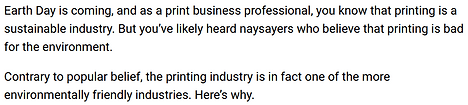
Print media comes at a cost, paper. Saving the environment is a popular movement and trees are a part of that, for example there's a search engine called Ecosia that plants one tree for every search on the site. With trees becoming a constant resource that's slowly running out and the steady decline of print, is print media truly worth keeping for the environment? A few articles on the topic say that the carbon footprint is bad (if not recycled) while most say it barely has an impact at all


An event that the media has responded to:
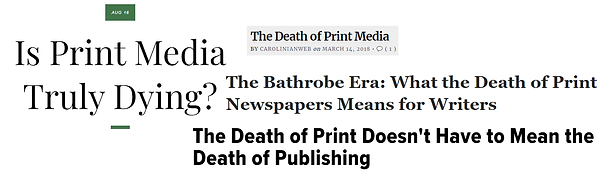
The term "Death of Print" or "Print is Dead" is used a lot when talking about printed media online, so much so that its the headline of many online articles on the subject. The discussion about printed journalism is dominated by this topic due to the mediums extreme decline
Thinking about these topics will help me break down my main topic into smaller sections I can write about later on, helping me cover as many relating to the question as I can
Adgate, B. (2021) Newspapers Have Been Struggling And Then Came The Pandemic. Available at: https://www.forbes.com/sites/bradadgate/2021/08/20/newspapers-have-been-struggling-and-then-came-the-pandemic/. Accessed at: 03.01.23
Bourne, M. (2012) The Bathrobe Era: What the Death of Print Newspapers Means for Writers. Available at: https://themillions.com/2012/04/the-bathrobe-era-what-the-death-of-print-newspapers-means-for-writers.html. Accessed at: 03.01.23
Carey, S. (2015) Representation in Print Media: An Analytical Essay. Available at: https://sophiacareycoulsdonmedia.blogspot.com/2015/09/representation-in-print-media.html. Accessed at: 03.01.23
Carolinanweb. (2018) The Death of Print Media. Available at: https://carolinianuncg.com/2018/03/14/the-death-of-print-media/. Accessed at: 03.01.23
Dong, H. (2019) Why Printing is Environmentally Friendly. Available at: https://sinalite.com/printersuccess/why-printing-is-environmentally-friendly/. Accessed at: 03.01.23
Emma. (2016) Print Media and the Environment. Available at: https://pcpltd.net/print-media-and-the-environment/. Accessed at: 03.01.23
Haber, S. (2010, 2011) The Death of Print Doesn't Have to Mean the Death of Publishing. Available at: https://www.huffpost.com/entry/the-death-of-print-doesnt_b_394476. Accessed at: 03.01.23
Holder, Sophie. (2022) Is Print Media Truly Dying?. Available at: https://www.empiretimesmagazine.com/blog/2022/8/16/is-print-media-truly-dying. Accessed at: 03.01.23
Kalim, F. (2020) “Profitable since going all-digital”: What publishers can learn from The Independent’s growth story. Available at: https://whatsnewinpublishing.com/profitable-since-going-all-digital-what-publishers-can-learn-from-the-independents-growth-story/. Accessed at: 03.01.23
Media Landscapes. (Year unknown) United Kingdom. Available at: https://medialandscapes.org/country/united-kingdom/media/print. Accessed at: 03.01.23
Rogers, J. (2017) What is the environmental impact of print media? Available at: https://nouse.co.uk/2017/11/21/what-is-the-environmental-impact-of-print-media. Accessed at: 03.01.23
Statista. (2023) Print Newspapers & Magazines - Worldwide. Available at: https://www.statista.com/outlook/amo/media/newspapers-magazines/print-newspapers-magazines/worldwide. Accessed at: 03.01.23
Statista. (2022) Newspaper industry in the United Kingdom - statistics & facts. Available at: https://www.statista.com/topics/5932/newspaper-industry-uk/#topicOverview. Accessed at: 03.01.23
Whistl. (2021) The Real Environmental Impact of Printed Advertising. Available at: https://www.whistl.co.uk/news/real-environmental-impact-printed-advertising. Accessed at: 03.01.23
Daily Diary 03/01
Today I had to create and share debate ideas. I have to pay £27.25 for the trip as soon as I can as well
First day of this unit and I don't have much of an opinion on this unit either. Despite my interests in magazine design, I'm not interested in news or journalism that much. I know I like designing them but I don't care as much for writing articles about it, even so I think I'll be able to get through this unit fine enough
I originally didn't have many ideas but was able to think of some during my break. I was definitely most interested in my idea about how documentaries frame serial killers sympathetically, but that didn't link with what I want to do for my FMP. I'm not sure what topic I want to do for FMP yet but I know I'd like to do another magazine if I can, which is why I made my debate topic so broad. I think the topic I chose was fine, it interests me slightly and not caring for my topic was the main thing I was worried about
Doing a bit of research for the question made me realise how broad the question is, its not about if its profitable but rather if the medium is needed at all. I don't think its needed anymore but I think its still appreciated enough to continue, like how musicians sell vinyl of their music still
Confirming The Idea
I've decided to choose "Is There a Need for Print-based Media in A Modern Society?" as my media debate. I decided on this as its a constant topic when talking about print media online especially with how the industry had a massive decline due to the pandemic. The question is also one without a concrete answer meaning I could easily argue for and against print media. I changed it from print-based journalism to print-based media to be more broad and include magazines about fashion, lifestyle, ect.
I know that print-based media isn't nearly as popular as it was previously and that its been like this since the 2010s due to the research I did for my FMP. The pandemic affected sales a lot as well. I also knew about that from personal experience as I've heard people say newspapers and magazines are old and don't purchase them much anymore. The main reason for its death is mostly due to social media making news easily accessible for free without needing to go anywhere
My initial idea is creating a magazine or newspaper (or even a brochure) that's featuring article is the debate topic. It would fit with the debate topic and make for a poignant front cover, I also think the topic would attract more attention than other print media beside it if it was on a store shelf. I could go the opposite direction and make it an online article on a website, but I think that would be less interesting and wouldn't stand out as much
Research List


Daily Diary 04/01
Today I had to confirm my idea and create a detailed research list on everything I plan to include for my debate
Both of the tasks I did today will give me a clear direction on what I have to do and include in my end product. Research lists especially help me as I'm able to keep track of my progress and check them off one by one after I complete one of them, since this one is so detailed I also know what I'm supposed to do for each section as well
Finding people to do my poll should be very easy as its only one poll, but since its only that I also have to find much more responses for it (about 130). I have a week to do this though so it shouldn't be that difficult. I put the links to the poll in my questionnaire and vice versa so I should be able to get responses more frequently from that
I still don't completely know if I'll do a magazine for this unit, I love doing them but I'm aware that I have to branch out and do other products as well. It'd most likely make the most sense if it was a newspaper instead but I think either print mediums could work. I'm still unlikely to make it an online article on a website since I'm not sure how I'd do that (like if that would require me to design the entire website)
I sent emails to journalists on Journalism, the university of Bedfordshire's press office and asked if any journalists on r/journalism were interested to be interviewed on this topic to DM me. I also distributed my questionnaire & poll on specific subreddits such as r/journalism and r/media and a few survey groups on Facebook
Questions to Journalists
1. Do you write for print-based media anymore?
2. Do you write for it as often as online media?
3. Is writing print-based media different to writing online media? How so?
4. Is getting jobs for print-based journalism more difficult than online journalism?
5. Do you think print-based media (journalism specifically) will be obsolete in the future?
Secondary Research
I decided to start with "what does print-based media offer that online media can't (and vice versa)?" as I felt like it was the most important topic to research
For print-based media, it can be very good for spreading news locally. Printing houses often have cheap prices for printing and the majority have environmentally friendly options like 100% recyclable paper. Because of how frequent advertisements appear on digital media, the actual content itself is rarely digested by the readers. This isn't a problem for printed media as the content is physical and people naturally care more for physical items like business cards rather than an advert on social media for example. Print is much more likely to be remembered. This can especially be said for emails as most people simply delete ones they're not interested in, while with a newspaper people are likely to read every bit of it. People can also form a loyal customer base around print media as well, such as certain newspapers like Financial Times. Having this makes revenue more sustainable and consistent as they'll buy weekly, monthly and even yearly. Its heavily underestimated how many people actually read print media as Baby Boomers read 9.2 magazines per month, Gen X read 9.1 and Millennials read 8.9. Specifically Gen Z (1995 - 2012) had been seen as the generation saving print and 61% of them think being online less would be beneficial, they're now the prime audience of print media
Using print-based media is communicating in a different way than most other companies do, making them stand out more. As more companies use digital marketing it becomes harder to stand out against everyone else. Another example would be print-based advertisements appealing to more visual learners. While talking about advertisements, people naturally trust print media and news as fact more than digital, with 34% of readers trusting print advertisements more than adverts from search engines. It also has a higher ROI (Return on Investment) than digital media due to print media having a long shelf life in local places such as a doctor's office or a library, therefore making it more likely for people to read it and the advertisements in print media overtime. Print media is evolving and is still used for business cards, brochures and pop-up stands
Problems with print-based media are common though, for starters print-based media is often local. Publishers who print globally are very rare to find. And print can be seen as an alternative market to digital, but its still just as competitive. Every publisher wants to stand out against every other. It can also be hard to target a specific audience in print since most of it ends up on general store shelves to make the most profit
For advertisers print can be expensive and it require a lot of planning to get an advert on it. Adverts will have to be planned, written, designed, submitted to the publication and then paid. It can be a very lengthy and tedious process. After that they might not reach its right target audience or even stand out much against all the other ads in the printed media. In general print media also faces the same issues of higher costs and longer planning
For digital media, it offers the ability to target a specific audience. Marketing to an audience digitally can be done in many different ways as well (TV & radio adverts, social media such as Twitter & Facebook, pay-per-click adverts and more) and can spread quickly and effectively. It can also be accessed at any time very easily by its audience, its not time-locked like waiting for a library to reopen. Digital media doesn't take as much effort as print to read through either. Because its digital it can also be edited quickly, there aren't strict daily deadlines like with print. Its also very low cost and is more likely to be viewed by more people than print is
Another pro about digital is its ability to target a specific audience. Because its not meant to be on a newsstand, digital media can be about anything whether its popular or very niche. Digital naturally promotes creativity because of this as well. The medium has also shifted how other people work, opening the door to remote work. An example of this would be the Slack, a professional messaging app that's allowed professionals to contact each other
Interactive media is something digital can excel at while print can't do it as well. Interactivity can help with getting the audience more engaged in what the media is actually saying, like with multimedia presentations or debates
However there are also problems with digital media, an obvious one being the reliance on it being digital. While the globe is experiencing a digital age there are still people who can't afford a computer or phone. Some people don't fully know how digital devices like that work either and have a hard time navigating through everything on it.
Digital media is also notably less durable, there's so much information online that people read through that it can be very difficult for audiences to fully pay attention or remember. Compared to print media its much more likely for people to forget something said digitally rather than something online. Another issue is cyber security being compromised, social networks and email accounts can be hacked
However there are also ways for print and digital media to be used together, like with QR codes & personalised URLs or social media campaigns. They can be printed and then scanned to get digital assets, data analysts are also able to see how many people did so. Social media campaigns can be a useful and easy way to reach your audience and can even bring attention to a print-based campaign. By using print and digital media, a company can have a brand presence in both mediums. An example of a company that does this is Amazon, they have a large online presence but ever since 2018 its published a toy catalog in print
I felt I had enough information on that so I did research into if print-media was still profitable next. I chose this topic to be next as it felt relevant with the previous question
In a study comparing print media profits to other broadcast media (internet, social media, TV, radio), it was discovered that print media is more profitable with the return of investment being higher
However, newspapers have been on a steady decline with most of its readership and ad revenues going to digital. Its been going on for years but was significantly impacted by the pandemic. Even including digital profits its still gone down, from $12.45 billion ad revenue in 2019 to $8.8 billion in 2020. Ad revenue specifically has been coming more and more from digital (currently at 39% when in 2011 it was 17%). This has also led to declines in employment (the newspaper industry had 74,410 workers in 2006 which drastically declined with only 30,820 workers in 2020), larger newspapers were much more likely to layoff employees than smaller newspapers
I noticed in a few of the articles that I looked at, there was the same source in it called the "Newspapers Fact Sheet". It talks specifically about newspaper in the US but could still be helpful as the US currently is the most profitable country for newspapers. It has a data chart on newspaper profits, however it should be noted that the break inbetween the lines signal that some of the data in this chart is estimated. 2020 was the first year in their data that the revenue from circulation was higher than advertising revenue
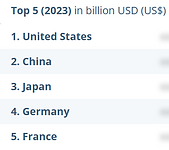

I've brought up this chart before, this chart showcases the revenue of print newspapers & magazines globally. The chart also includes estimates for years up to 2027. Even without knowing exact numbers, its clear to tell that the revenue is still on a slow decline. The slight increase from 2021 to 2020 is most likely due to the pandemic's lessening influence. The statistics that matter most are magazine & newspaper circulation, so here they are independently on the chart. As seen here print newspapers are bought way more than magazines are with a 100k difference in revenue


While looking at this question, I found two sources that fit more with "how has print media survived?". Because of that I did research into that question next
The first article is on how The Independent ‘survived’. It’s now one of the most profitable newspapers in the UK, coming far from when it had to go digital-only in 2016 to sustain itself. Ever since then its profits have doubled, with advertising revenues growing by 10% and annual turnover having a 9% increase. Comparing its profits of £2.3 million with The Telegrams £900k, its currently more profitable than The Telegram
The Independent also grew its global audience with 95 million unique browsers, 24.7 million unique visitors in the UK in January 2020 and has been UK’s largest quality digital news brand for a full quarter. The US is the largest market for the company with 30 million monthly unique visitors, that being more than other popular digital-only brands like Vox or Vice. For comparison the Guardian had 24.1 million unique visitors and The Telegraph had 19.7 million. Even when comparing them to Buzzfeed, HuffPost and Vice’s combined unique visitors, The Independent still has more
Majority of its revenue comes from online advertising, with a mix of licensing and subscriptions. The Independent’s paid subscription is called Independent Premium, costing £3 for the first three months and then £8.99 per month afterwards. For paying subscribers can read with no ads, get exclusive articles featuring in-depth analysis and comments and can also get a daily digital newspaper for £12.99 per month. There’s also a registration option for non-paying readers to have one free premium article per week, receive personalised newsletters, hear about exclusive events and be able to comment on articles

Don Pittis, a senior producer for CBC News, wrote an article about newspapers and said:

Another article I came across was about the Guardian finally making a profit after losing money for years (a £57 million loss for three years). The Guardian is a standout as this has happened to it for years now and most newspapers that lose revenue like it does would die. The Guardian made £800k in 2018-19, finally hitting the goal of breaking evenly with a small operating profit. 55% of its revenue came from digital sources (The Financial Times is one of the very select few with a similar percentage) and also growing its digital advertising and subscription sales. It also rose in digital traffic with a 70% increase since 2016
Only 8% of the Guardian’s revenue comes from print advertising now, a stark contrast for when that revenue used to be relied on. The article itself says “There’s still money in print, but it can’t be your guiding light anymore.”
The Guardian’s never wanted to put its articles behind a paywall and all its apps are free. Its sustained itself with a subscription business model (the most common for digital newspapers), for £6.99 a month there are no ads, better offline reading and daily crosswords. Another thing it does is ask for money so often that multiple sources have likened it to guilt tripping or begging (despite the negative connotations, the company’s sold 190k premium subscriptions off of doing this). There’s also the option to give a one-off donation, in 2018 300k people have given one-off contributions and 365k people were on an automatic reoccurring plan when the article was written (2019)
Ken Doctor had three main points for digital newspapers: a majority of revenue should come from digital sources, majority of the revenue should be made from readers rather than adverts and having a minor miracle of net growth (revenue from digital should rise more quickly than prints revenue decline). The Guardian had finally met all three of them
I remembered while talking about the differences of print vs online media that it was mentioned that Amazon does official prints of a toy catalogue. I didn't pay attention to it at the time but I now thought that it could also work as a counter for publishers seeming like they have to do digital only to survive, or at least that it sounded somewhat relevant enough for me to look into further
The toy catalogue was called A Holiday of Play. It was planned, created and mailed by Amazon on November 2018. The catalogue featured 68-pages and the PDF copy of the catalogue is here. The main aims of the publication were to interest its readers and have their attention while they're relaxing in their own home, another was to gain more trust between the readers and the company. The Royal Mail MarketReach stated that 52% of people bought more than they were planning to when shopping with a printed catalogue, so its natural that Amazon would try to sell one of its own
Interestingly enough there's no actual prices in the catalogue, instead there are QR codes which link you to the product on Amazon. Toys specifically had a QR code that could be scanned in the app called Smilecodes. There was also a Holiday Wishlist page that children could write what they wanted to get for Christmas
Amazon isn't the only big company who's done this as eBay also mailed out millions of its print catalogue at a similar time, showcasing the rare retro toys the site was known for

Now with two big newspapers, I felt I had enough to write about how newspapers had been surviving the past decade. I left “is print media economically sustainable?” for last as I already did research on it at the beginning of this unit
There is a light debate on if its economically sustainable or not, some sources suggest that it damages the environment while others say that's a common misconception
An article on Academic Journal of Interdisciplinary Studies, an ebook made up of various authors on ResearchGate, called "Ecological Impact of Paper Production: A Case for the Abolition of Print Media" was about abolishing print media altogether as online media was the better alternative. This paper was written by George Nche and Ray Udeajah in 2013 which isn't recent, but the ebook its in was published this year so I thought it'd be good to look at regardless
The paper starts by talking about deforestation and climate change, citing both of these as issues that print media heavily contributes to. It then describes online media as the "accessible and eco-friendly" alternative

Many other sources I looked at said that online media was actually worse than print when it came to being eco-friendly. Pepper states that "modern mass communications are also accounting for 2% of global emissions, which leaves a carbon footprint just as big as the airline industry." while print only has 1%, which is the lowest contributor compared to other industrial emitters. Saxoprint gives a similar statistic for print (1.1% of global emissions) and that digital media possibly wastes up to 33 billion kilowatt hours annually (which adds up to the greenhouse emissions from 3.1 million cars using 2 billion gallons of petrol). In a 2021 article about the paper industry it says that it only accounts for 0.6% of the world’s total, meaning that it's dropped even lower (although the article still goes on to say that this is still a large amount, being higher than the combined emissions of Sweden, Denmark, Finland and Norway)
After talking about the reality of climate change, the paper goes into how many trees are cut down for the sake of paper. It cites that half of the world's forest was already burned down or cleared in another way and 42% of it is still used to make paper
Other sites like Whistl, TPI Solutions Ink and ColorFX say that print is recyclable and renewable. The recycled paper fibers are often used in paper production, construction products and for consumer goods. These fibers can also be recycled again and again. Its also renewable due to trees, most trees used for paper production are grown on “tree farms”. Once all of the trees in a section are harvested, the land is replanted with more trees
One thing is certain though, digital media is comparatively worse than print as it has a worse carbon footprint. Digital media uses more energy from coal-fired power plants and that’s without going over where the electricity going through most digital devices. It comes from mountaintop-removal coal mining which is a major cause of deforestation, biodiversity loss and pollution
Doing this research is important as these are the questions I'll be asking and answering in my product. For comparing what makes print and digital media different, I can now mention how some companies use both to great effect
Learning about the Guardian finally profiting and The Independent’s soaring profits can be used for points against print media, how even big publishers are forced to move away from print to be profitable. The Guardian is especially useful in this case as it used to rely on print for most of its revenue but only gets 8% from it now. Amazon and eBay doing printed catalogues can also explain how print has survived and how it can even thrive if under the right circumstances, although I am aware that those companies don't focus on publishing so I can only use them as examples for so long
The argument of digital being the eco-friendly alternative to print has been something society has enforced through paperless bills and companies saying not to use paper, but it turns out that its a false argument. Including that in the debate is important as its a misconception that the wider public most likely has. I realise that this means the debate is one-sided but I think it works still as people have argued for and against the topic
Abdul, R. (2015) Print Based Media vs. Digital Media. Available at: https://www.linkedin.com/pulse/print-based-media-vs-digital-rob-abdul. Accessed at: 05.01.23
Adgate, B. (2021) Newspapers Have Been Struggling And Then Came The Pandemic. Available at: https://www.forbes.com/sites/bradadgate/2021/08/20/newspapers-have-been-struggling-and-then-came-the-pandemic/. Accessed at: 03.01.23
ASHA Marketing. (Year unknown) Why Digital and Print Are Better Together. Available at: https://marketing.asha.org/marketing-insights/why-digital-and-print-are-better-together/. Accessed at: 08.01.23
Barthel, M & Worden, K. (2021) Newspaper Fact Sheet. Available at: https://www.pewresearch.org/journalism/fact-sheet/newspapers/. Accessed at: 08.01.23
Benton, J. (2019) Want to see what one digital future for newspapers looks like? Look at The Guardian, which isn’t losing money anymore. Available at: https://www.niemanlab.org/2019/05/want-to-see-what-one-digital-future-for-newspapers-looks-like-look-at-the-guardian-which-isnt-losing-money-anymore/. Accessed at: 08.01.23
ColorFX News. (2012) Digital Media VS Print Media: Which is Worse for the Environment? Accessed at: https://www.colorfxweb.com/blog/digital-media-vs-print-media-which-is-worse-for-the-environment/. Accessed at: 08.01.23
Emrich, S. (2022) The Importance of Print Media and How It Can Benefit Your Brand. Available at: https://www.entrepreneur.com/growing-a-business/the-importance-of-print-media-and-how-it-can-benefit-your/426749. Accessed at: 08.01.23
Fickenscher, L. (2018) Amazon will print toy catalog to fill Toys ‘R’ Us void. Available at: https://nypost.com/2018/07/05/amazon-will-print-toy-catalog-to-fill-toys-r-us-void/. Accessed at: 10.01.23
Grove, C. (2011) Printed Media and the Environment - What You Need to Know. Available at: https://www.tpisolutionsink.com/printing-company-blog-waltham-ma-/bid/57361/Printed-Media-and-the-Environment-What-You-Need-to-Know. Accessed at: 08.01.23
Guest Author. (2018) Is Print Media Back in Vogue? Research Says it Might be. Available at: https://60secondmarketer.com/2018/09/13/is-print-media-back-in-vogue-research-says-it-might-be/. Accessed at: 05.01.23
Kalim, F. (2020) “Profitable since going all-digital”: What publishers can learn from The Independent’s growth story. Available at: https://whatsnewinpublishing.com/profitable-since-going-all-digital-what-publishers-can-learn-from-the-independents-growth-story/. Accessed at: 08.01.23
Keating, D & Hiel, A. (2021) The paper industry’s burning secret. Available at: https://www.energymonitor.ai/sectors/industry/the-paper-industrys-burning-secret/. Accessed at: 11.01.23
Medina, M. (2019, 2022) Print Still Matters in 2019. Available at: https://www.relevance.com/print-still-matters-in-2019/. Accessed at: 10.01.23
Moodie, A. (2014) Is digital really greener than paper? Available at: https://www.theguardian.com/sustainable-business/digital-really-greener-paper-marketing. Accessed at: 11.01.23
Ormesher, E. (2019) Print as mass media is dead. Long live the print. Available at: https://www.thedrum.com/news/2019/09/25/print-mass-media-dead-long-live-the-print. Accessed at: 08.01.23
Pepper. (Year unknown) Is digital really greener than print? Available at: https://www.pepper.co.uk/news/is-digital-really-greener-than-print. Accessed at: 11.01.23
Pittis, D. (2020) Business success of paperless papers may signal next step in mainstream news: Don Pittis. Available at: https://www.cbc.ca/news/business/media-newspapers-print-1.5488135. Accessed at: 08.01.23
Promo Panda Staff. (Year unknown) Examples Of Broadcast Media. Available at: https://promopanda.com/example-of-broadcast-media/. Accessed at: 08.01.23
Re-nourish. (2012) Print versus Digital: The Scuffle in the Studio. Available at: https://re-nourish.org/print-versus-digital-the-scuffle-in-the-studio/. Accessed at: 11.01.23
rishavc2101. (2022) What is digital media? 6 Major Advantages and Disadvantages. Available at: https://icytales.com/what-is-digital-media/. Accessed at: 10.01.23
Saxoprint. (Year unknown) Print vs. digital: who is the greenest of them all? Available at: https://www.saxoprint.co.uk/blog/print-vs-digital-greenest. Accessed at: 08.01.23
Statista. (2023) Print Newspapers & Magazines - Worldwide. Available at: https://www.statista.com/outlook/amo/media/newspapers-magazines/print-newspapers-magazines/worldwide. Accessed at: 03.01.23
Study. (Year unknown) Is print media more profitable than broadcast media for businesses? Available at: https://homework.study.com/explanation/is-print-media-more-profitable-than-broadcast-media-for-businesses.html. Accessed at: 08.01.23
The Two Sides Team. (2019) Catalogue Model – Amazon release their first ever printed catalogue. Available at: https://www.twosides.info/UK/amazon-release-printed-catalogue/. Accessed at: 10.01.23
Tigernix. (2019) What are the advantages and disadvantages of having print media? Available at: https://www.tigernix.com/blog/pros-cons-print-media. Accessed at: 10.09.23
Tucker, D. (2018) Why Print-Based Media Is Still Relevant In The Digital Era. Available at: https://60secondmarketer.com/2018/10/02/why-print-based-media-is-still-relevant-in-the-digital-era/. Accessed at: 05.01.23
Various Authors. (2023) Academic Journal of Interdisciplinary Studies Vol 12 No 1. [Ebook] Richtmann Publishing. Accessed at: 08.01.23
Wake Tech. (Year unknown) “The Decline in Newspapers: A Closer Look” Joseph Ahrens. Available at: https://clubs.waketech.edu/wake-review/magazine/creative-writing/non-fiction/the-decline-in-newspapers-a-closer-look-joseph-ahrens/. Accessed at: 08.01.23
Zrix. (Year unknown) What Are the Advantages and Disadvantages of Print Media. Available at: https://www.zrix.com/blog/advantages-and-disadvantages-of-print-media. Accessed at: 10.01.23
Daily Diary 05/01
Today I worked a little bit on my secondary research, but mostly focused on unit 11. By next week I should've finished all of my primary and secondary research
So far for contacting journalists, I've heard a response from three journalists, two of them accepting to answer my questions. I sent them the questions after I made them (about 11am) but haven't heard responses back yet. My questionnaire and my poll both have 20 responses which is good progress so far. I should hopefully be able to get 50 responses for my questionnaire, but I'm a bit worried for the poll as I need about 130 responses for it


Daily Diary 10/01
Today I continued with my secondary research, I actually finished it two days ago but knew it could definitely use some improvements and more in-depth discussion so I added more to each category. I also filmed vox pops for Real Talk today about a new drink called Prime
I think going back and improving the research I did was good as I didn't feel fully confident in the research I did before today. I've finished refining almost all of it except the last topic. Because I was able to go back and do more research I was able to look at things I wanted to but didn't think I had the time for aswell (like Amazon's print catalogue)
I was able to get a response from David Nicholson today after sending an email reminding them, so I have a response from at least one journalist now. I did send a reminder to Annabel Harrison but they still haven't responded yet. I also have 52 responses for my questionnaire now so I'm fine with that and I have about 47 responses for my poll (I did have to remake the same poll on some sites like Facebook's poll feature and I haven't counted those up yet). I thought I had to get 135 responses for it which is why I was slightly stressed about it, but in actuality I just needed to get whatever I thought was enough. I've left both the questionnaire and poll open to more responses in the meantime

Daily Diary 11/01
Today I finished my secondary research and started working on my presentation slides
I'm mostly fine with the research I have to work with now except from my research into how much revenue print magazines/newspapers make. I think the research I have currently is a little one sided (as in it doesn't make much money anymore, especially since I did research into the Guardian and The Independent succeeding off of online-only as well) and its hard to put an argument for print in this case
I think I should've focused more on print as a whole in that case rather than just newspapers and magazines. I also think that could go for saying with my whole research in general, as the question is about print as a whole and my secondary research doesn't really embody that (my questionnaire I did is the only research that does really). I felt like I got slightly too focused on that one section of print when there's much more to it like posters, books and so on
Daily Diary 12/01
Today I did a practical, designed my company's logo and business card and worked a bit on making an ident for it as well. Over the weekend I'll have to prepare my presentation
I ended up going with a slightly different logo than I intended and at first I didn't like it much, but now I'm warming up to it. The problem was I had a specific way I wanted my logo to be animated in an ident and I can't do it anymore due to the slight change. What I was planning was for the star in my logo to rotate, which was what I was practicing during the practical on animation using keyframes
I came up a different idea of it having a handwritten animation but the thing is I'm not sure how to do it. I was sent a video tutorial on what I wanted to do which I'll watch later today
I liked the business card I made a lot though, I think its creative enough to stand out against everyone elses and it shows what I'd do as my job as well. The other one I made was definitely rushed and more of a throwaway, it was meant to look more like a newspaper but I didn't put much effort into it due to how little time I had left to design it. I knew I was going to use the other one anyway so I don't think its an issue really
How do You View Print-based Media? Questionnaire (link)
As part of my research I conducted a survey to find out how other people view print media and if they think it should still be made in our current society. I was able to get 54 responses on it

Since I posted my questionnaire mainly on Facebook and Reddit, the wide age range doesn't surprise me too much. Having this much range in a questionnaire is good as it means I'll be getting opinions and responses from every age group, which I think is especially needed when the topic is how society at large views print media
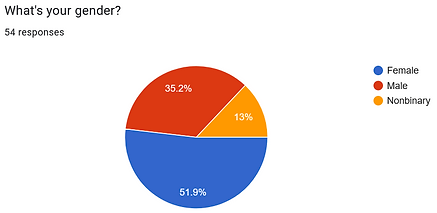
In general the responses are mainly from women, but there's also a fair range of men and non-binary people as well. The gender of the respondents don't matter as much as the age in this type of questionnaire, but its good to know that we're mostly getting a varied range of genders as well

The majority saying books for this question didn't surprise me as I also would've said the same, but people choosing magazines over newspapers was interesting. Overall 33 people chose books, 10 chose magazines, 8 chose newspapers and 3 people chose brochures. I added brochures as a choice as they also count as print media, but I think I probably should've left it out (I'll talk about this more later)


Its a little difficult to discern some of the responses as they only leave the reason why they picked something but don't state what they picked specifically. At the start of the questionnaire I did say that the responses would be anonymous, but this is ultimately my fault and I should've clarified that they were meant to say what they picked as well
Many say they chose books because they're timeless, have original content and stories, are more entertaining than the other mediums or because they enjoy reading and educating themselves. Books are the only medium out of the four that can be fictional and tell their own story, so its naturally unique compared to the rest of them that are factual (its also one of the main reasons why it was the most picked it seems, as the other mediums can easily be read on the internet for free). One of the responses were from a graphic designer who said they got their inspirations from books. Some people also said they like the tactile feeling with printed books and newspapers specifically, although this can apply to all four of those
Magazines were picked as they focus more on design and visual images. They're also likely to be on public transport or areas for free such as a train or a hospital's waiting room. A big strength of magazines is that they can be flicked through easily and a person doesn't even need to properly read it as they would likely still enjoy it due to the design
Less people chose newspapers, but the people who did mostly mentioned how they like being able to focus on it. One response in particular mentioned how they read so many things digitally that its difficult to have an article's message stick in your mind when reading them online. This is something that came up a lot during my research into digital media's biggest flaws as well so it must be an extremely common issue. Another response mentioned how they liked how there's no need to scroll or click and that all of the daily news is in one paper. While newspapers were the second least popular vote, a lot of these reasons that came up can also be seen as its biggest strengths. The ability to turn off a digital device and still be able to see what's going on in the world is a luxury that not many people take
Brochures were only picked by three people and its difficult to tell from the responses who those people were due to the problem I've already mentioned. I feel like it was chosen for a simular reason to magazines, for its visual design. It's also a very easy and quick way to get information, even if its definitely the less made out of the four options

Brochures being the most picked isn't surprising at all due to the lack of votes previously. Looking back on this I don't think I should've added brochures at all on this question as they're usually handed out for free and aren't bought (which is something that a few of the responses do mention). There were 30 votes for brochures, 12 for newspapers and 6 individually for both books and magazines. I wasn't expecting books and magazines to be tied and assumed magazines would have a few more votes on it, though I suspect more people would've voted magazines if brochures wasn't an option. Newspapers are also a more popular target when it comes to print media so I'm not surprised that it had the second most votes

This question has the same problem as the first one I've already talked about, but its even worse because a lot more of the responses don't mention which one they actually picked. For an example a few of the responses talk about the information in said medium being useless but I can't tell which one they're talking about
Many responses against brochures talk about how that medium is predominantly used for advertisements and not much else or how they're usually handed out for free. I've also personally never seen one that's not been an advert, but I thought that might've been a personal experience
Newspapers were chosen due to most people either not caring about news or because they thought the information in them was useless. One response mentions how local newspapers are especially bad with reporting news, which might vary because its obviously local and different for every town. I was expecting newspapers to be the most popular vote due to how accessible they are online and because its free to read them there too, while you have to pay to read them on print. It's usually a very low amount to read a printed version, but when the other option to read them is online for free then much less people are going to choose to pay. As I mentioned before a strength of newspapers is that they can be accessed without needing to be online, but as a response here says the same can also be said about TV which is still more accessible than print. With TV news being an option there's not even a need to go outside to get it, but with print then you still have to go outside (unless you get it mailed to you and even then you still have to go and get it)
One response in partciular mentions that print is a waste of trees, which oddly goes with the research I did for print and the economy. Print media, especially newspapers, are seen as a waste of trees by the general public but the research I did said that's an extremely common misconseption. A lot of companies such as banks especially do this with paperless bills and signs that saying to save the environment coming with them
Another response mentions how they see newspapers as untrustworthy and biased which is interesting as the research I did for strengths print media has is that more people see them as trustworthy sources. A response that has a similar issue is one that talks about not liking the tactile experience of newspapers, which was also seen as a reason why a lot of people liked printed newspapers more than online ones. While these opinions aren't with the majority, they're still important to highlight as it means a majority's opinion still doesn't equal to everyone's opinion
Magazines were voted as they're seen as better online. Online magazines are able to do more interactively, like clicking on an advertisement and being taken to a link to the advert's site for example. Another response mentions how magazines aren't very interesting or focus on topics they aren't interested in. Magazines can be very broad and cover a wide range of topics, but its likely that any topic a magazine is covering probably has an article on the internet for it already
Its hard to tell why books were voted, but from the responses I can gather that its most likely due to a lack of interest in reading them. Books stand out a lot due to being fictional, but that can also be a reason why someone would be uninterested in it. It can also take a lot of time to read and some people don't have a lot of it

I asked this as this was the main point of the questionnaire (How do You View Print-based Media?). I got a lot of varied responses of yes, no's and a few maybes. It's a very open ended question and the main reason I made this answer a large paragraph box instead of a checkbox is because I wanted to hear their reasons why more clearly
For the people that said they preferred printed media, the main reasons were that: it was easier to share and concentrate on, had charm, felt more impactful than digital and that they liked how it kept them away from a screen. One response said they still bought newspapers when they saw them being sold which other people do as well according to my other poll. Print being more impactful than digital correlates with the secondary research I did about the advantages between print and digital, meaning its generally seen as one of the biggest strengths of that medium. Another response goes more in depth by mentioning that print media also has "a personal feel to users and a sense of ownership" which is most likely felt because the media is physical
For people who prefer digital over print, the main reasons are because they see print as an inconvenient waste, because print is seen as outdated or because digital copies don't need to be physically carried. Digital is so powerful and oftenly used by companies for these very reasons as its less effort for both the company and the user (for example making an edit to an article is much easier on digital than print and it being digital means its one less thing for a reader to carry). A response say that majority of newspapers have a digital website, while we don't know the exact statistic I'd imagine it'd be extremely difficult to come across a newspaper without a digital presence. One response that's more neutral on the question mentions how digital news websites update quickly and consistently unlike having to wait for the next print as well
There were also a lot of answers that took a more neutral stance. Some answers said that they did believe online was superior but also appreciated print media like with giving books as gifts or still liking to read magazines physically. Thinking about them as gifts was an angle I hadn't thought about yet, but its more socially acceptable to get printed books & magazines as gifts rather than digital ones. Another response says physical reading is still important even though they mainly find it easier to read with online with a tablet. Most of the neutral responses seem to be from people who read online more but still appreciate printed media as well. A response put it best saying: "it has its place in our lives, but its no longer the default of information sharing"

I asked this last as it was what my debate topic was and it'd help to directly ask the question so I'd be able to make more direct comparisons between my research. I got a few long and detailed responses which was what I wanted. Similar to the previous question, this is also a very open and opinionated question
People who said yes were for reasons already mentioned previously (for the elderly and having breaks from digital screens) and also for more unique reasons. Some mentioned that print was useful for more specific scenarios like for classrooms or incase there's no electricity. Majority of the classrooms I've been in do have printed books, papers and textbooks so I can definitely see where they're coming from. Electricity was also heavily mentioned in tandem with preservation, its much easier to preserve print media rather than digital as it can be hard to find a specific thing for digital due to it being flooded within search engines and sometimes straight up deleted. Preservation came up a few times which was something else I didn't even think of previously and it is something thats important as history shows. A lot of other responses mention that there's still a demand for print even if its not as profitable as it was before
One response specifically talks about their experience as a journalist. The newspaper they worked for did both print and online and was popular with a retirement community, because of this their subscribers vastly preferred printed news as they weren't knowledgable with digital devices. They also mention that this is the same for people who can't afford digital devices or can't have access to the internet. While this response goes over points I've already talked about, its extremely important as it clearly demonstrates the strengths of print and can easily be used in an argument for the medium
Most of the responses said yes, but there were also a few people who said no (most of the ones who said no still leaned more neutral). Only a very select few have a response that says no, one of them mentioning that digital is still easier and more convenient. One more neutral response says that for most people it isn't needed and another says that its not as important as it was before, but might have a comeback as a vintage trend. A response says that its not necessary aside for books but they also mention that its good for the elderly. Another response says similar except that its a good habit as it gives people a break from digital screens
Some responses also mentioned wanting to have a mix of both like we still do now, a response in particular saying "people deserve the choice"
The main thing I learnt from this questionnaire was that print media is still beloved by society today. Books are the most popular form of print media today by a large margin (at least between the four options I allowed the respondents to choose from). The reasons are mainly because they're original stories and therefore have the most readability once you finish it, some people also find them the most entertaining. Magazines are the second most popular medium, which I wasn't expecting
Brochures and newspapers are the least popular. In hindsight I shouldn't have included brochures in the questionnaire at all as people don't usually buy those, but I imagine the results still would've looked mostly the same without brochures as an option. Newspapers are seen as useless and outdated compared to digital versions of them. I feel because of digital usually comes with the option to read them for free (even if there's a limited amount of articles you can read on one site), it dissuades people from buying print newspapers even if its extremely cheap
One answer elaborating why they don't like newspapers also goes with the secondary research I did about the environmental impact of paper. It's true that there's a common misconception that paper heavily harms the environment when it actually does the opposite
People still like print media as a whole though. The main reasons for this was because they felt it was more impactful and personal compared to digital media and felt the medium still had charm. Some people still feel like digital is overwhelmingly superior than print, but a lot of them still think there should be an option for print as there's clearly still a demand for it
Because my debate topic is so opinionated, my questionnaire wasn't able to come with a conclusive answer for it (does modern society think it needs print-based media anymore?). Majority of the responses said yes, but there were still people who said no. For the most part people like the distraction from digitial devices and felt like print had multiple different uses like for classrooms, offices or for the elderly
Do you read newspapers or magazines? Poll (link)
I also did a short poll with only one question, asking people if they still read newspapers/magazines. Its important to note that this poll doesn't specifically ask how they read it (print or digital). I posted it on multiple subreddits and on multiple Facebook groups - it ended up getting 82 responses with 43 answering no & 39 answering yes

I'm not completely sure if I agree with how I phrased the question and didn't specify how they read it, although it still works as a metric to see how many people still read newspapers/magazines. Due to how this is a single poll I wasn't able to gauge the age group of the people answering either (aside from the answers from Facebook as I used Facebook's poll feature and was able to see the profiles of people who answered those). The actual results were much more split than I was expecting as well which is a pleasant surprise. I wouldn't be able to use this as a reliable source on who how many people read print still, but it does show that newspapers/magazines are still being read and have an active customer base
Research Summary
My research taught me many things needed for my pitch. Originally my debate topic was only about print-based journalism but has now expanded to include print media as a whole
-
Because I did research into the strengths and weaknesses of both digital and print media, I can compare them easily and say what print does better compared to digital. I can also do the same vice versa
-
The research I did into print media's revenue shows that its not as sustainable as it used to be, with major companies like The Guardian and The Independent only being profitable after going digital only. However print can still be used effectively as Amazon was successful with its printed catalogue
-
From my research into print's economic impact, I was able to see that it actually has a positive impact despite what the general public thinks
-
The interviews I did with the journalists show that writing for print and digital does have differences and that jobs for print are becoming more scarce, but both of them still feel like there's a place for print media in our everyday lives
-
The questionnaire I shared support that argument as majority of the responses agreed that print media should still continue. It also shows that the most popular medium for print are books and magazines, while brochures and newspapers are the least popular for various reasons
-
The poll I did shows that people still read newspapers and magazines
Presentation Evaluation
The presentation shows all the research I did very concisely and what I learnt from it. Aside from my voice, what I'm actually saying is clear and simple to follow. I showed a lot of examples from my research and was honest about some of the improvements I could've made to it such as me focusing on newspapers a bit too much
The worst part of the presentation is that it was very clear that I wasn't confident while presenting, I spoke with a trembly voice throughout the entire presentation and looked very nervous. While I was talking about the links between my research I kept repeating the same points over and over (especially about people liking to hold what they read). I also didn't go into much depth about why I chose to do the research I did, although I know this was because I was worried about time restraints. While rehearsing the day before I realised my presentation equalled to about ten minutes though so I definitely could've talked in more depth. The slides had a lot of text on them as well which was something I've had problems with in previous units, I talked about every single point on each of the slides so I could've removed some text
The feedback I got was very helpful. I had mentioned how older demographics prefer print and, since I got a variety of demographics to answer my questionnaire, I was asked how younger generations felt about print. Because the results of the questionnaire were anonymous I wasn't originally able to tell which age group gave what answer, but I think I might be able to if I use the spreadsheet option Google Forms has. I was recommended to look if other companies had done what Amazon did (release a printed catalogue) and told that supermarkets also have something similar nearby its tills. I was also suggested to look at Kindles and see how many people simply prefer reading a physical copy of a book
Daily Diary 17/01
Today I did my pitch and also finished any unit 11 tasks I still had due. I have to evaluate my presentation and pay for my UCAS application when I get home
I ended up redesigning my logo and I like it slightly more than my previous one. I changed it because I realised yesterday that the star looked inappropriate and that it could be seen in a different way than I intended (its meant to be a slanted star, not an upside down one). Since the logo I chose fits a lot more with what I was planning, I'm able to do the animation I originally intended for it although I did still have to tweak it slightly - I originally planned for the star in the logo to spin as it slid in but removed it since the star shape I went with would look awkward with it. I will say the logo looks worse on the business card as a lot of the fonts I used previously were themed better with the previous logo
I don't think the presentation went that bad but I noticed while doing it my voice trembled a lot and I wasn't sure why. The day before the presentation I remember feeling extremely nervous which I assume is because my notes were very long and I didn't want to look like I was just reading from it, but I found it difficult to remember everything I had to say as well. Compared to my performance in other presentations and pitches I'm not sure what to make of it. I do think the feedback from the pitch was very helpful as aside from the points I brought during the gaps in knowledge section, I wasn't sure what else to do more research on
I also did end up getting a response from Annabel the day before my presentation which is good timing

Bibliography
Abdul, R. (2015) Print Based Media vs. Digital Media. Available at: https://www.linkedin.com/pulse/print-based-media-vs-digital-rob-abdul. Accessed at: 05.01.23
Adgate, B. (2021) Newspapers Have Been Struggling And Then Came The Pandemic. Available at: https://www.forbes.com/sites/bradadgate/2021/08/20/newspapers-have-been-struggling-and-then-came-the-pandemic/. Accessed at: 03.01.23
ASHA Marketing. (Year unknown) Why Digital and Print Are Better Together. Available at: https://marketing.asha.org/marketing-insights/why-digital-and-print-are-better-together/. Accessed at: 08.01.23
Barthel, M & Worden, K. (2021) Newspaper Fact Sheet. Available at: https://www.pewresearch.org/journalism/fact-sheet/newspapers/. Accessed at: 08.01.23
Benton, J. (2019) Want to see what one digital future for newspapers looks like? Look at The Guardian, which isn’t losing money anymore. Available at: https://www.niemanlab.org/2019/05/want-to-see-what-one-digital-future-for-newspapers-looks-like-look-at-the-guardian-which-isnt-losing-money-anymore/. Accessed at: 08.01.23
Bourne, M. (2012) The Bathrobe Era: What the Death of Print Newspapers Means for Writers. Available at: https://themillions.com/2012/04/the-bathrobe-era-what-the-death-of-print-newspapers-means-for-writers.html. Accessed at: 03.01.23
Carey, S. (2015) Representation in Print Media: An Analytical Essay. Available at: https://sophiacareycoulsdonmedia.blogspot.com/2015/09/representation-in-print-media.html. Accessed at: 03.01.23
Carolinanweb. (2018) The Death of Print Media. Available at: https://carolinianuncg.com/2018/03/14/the-death-of-print-media/. Accessed at: 03.01.23
ColorFX News. (2012) Digital Media VS Print Media: Which is Worse for the Environment? Accessed at: https://www.colorfxweb.com/blog/digital-media-vs-print-media-which-is-worse-for-the-environment/. Accessed at: 08.01.23
Dong, H. (2019) Why Printing is Environmentally Friendly. Available at: https://sinalite.com/printersuccess/why-printing-is-environmentally-friendly/. Accessed at: 03.01.23
Emma. (2016) Print Media and the Environment. Available at: https://pcpltd.net/print-media-and-the-environment/. Accessed at: 03.01.23
Emrich, S. (2022) The Importance of Print Media and How It Can Benefit Your Brand. Available at: https://www.entrepreneur.com/growing-a-business/the-importance-of-print-media-and-how-it-can-benefit-your/426749. Accessed at: 08.01.23
Fickenscher, L. (2018) Amazon will print toy catalog to fill Toys ‘R’ Us void. Available at: https://nypost.com/2018/07/05/amazon-will-print-toy-catalog-to-fill-toys-r-us-void/. Accessed at: 10.01.23
Grove, C. (2011) Printed Media and the Environment - What You Need to Know. Available at: https://www.tpisolutionsink.com/printing-company-blog-waltham-ma-/bid/57361/Printed-Media-and-the-Environment-What-You-Need-to-Know. Accessed at: 08.01.23
Guest Author. (2018) Is Print Media Back in Vogue? Research Says it Might be. Available at: https://60secondmarketer.com/2018/09/13/is-print-media-back-in-vogue-research-says-it-might-be/. Accessed at: 05.01.23
Haber, S. (2010, 2011) The Death of Print Doesn't Have to Mean the Death of Publishing. Available at: https://www.huffpost.com/entry/the-death-of-print-doesnt_b_394476. Accessed at: 03.01.23
Holder, Sophie. (2022) Is Print Media Truly Dying?. Available at: https://www.empiretimesmagazine.com/blog/2022/8/16/is-print-media-truly-dying. Accessed at: 03.01.23
Kalim, F. (2020) “Profitable since going all-digital”: What publishers can learn from The Independent’s growth story. Available at: https://whatsnewinpublishing.com/profitable-since-going-all-digital-what-publishers-can-learn-from-the-independents-growth-story/. Accessed at: 03.01.23
Keating, D & Hiel, A. (2021) The paper industry’s burning secret. Available at: https://www.energymonitor.ai/sectors/industry/the-paper-industrys-burning-secret/. Accessed at: 11.01.23
Media Landscapes. (Year unknown) United Kingdom. Available at: https://medialandscapes.org/country/united-kingdom/media/print. Accessed at: 03.01.23
Medina, M. (2019, 2022) Print Still Matters in 2019. Available at: https://www.relevance.com/print-still-matters-in-2019/. Accessed at: 10.01.23
Moodie, A. (2014) Is digital really greener than paper? Available at: https://www.theguardian.com/sustainable-business/digital-really-greener-paper-marketing. Accessed at: 11.01.23
Ormesher, E. (2019) Print as mass media is dead. Long live the print. Available at: https://www.thedrum.com/news/2019/09/25/print-mass-media-dead-long-live-the-print. Accessed at: 08.01.23
Pepper. (Year unknown) Is digital really greener than print? Available at: https://www.pepper.co.uk/news/is-digital-really-greener-than-print. Accessed at: 11.01.23
Pittis, D. (2020) Business success of paperless papers may signal next step in mainstream news: Don Pittis. Available at: https://www.cbc.ca/news/business/media-newspapers-print-1.5488135. Accessed at: 08.01.23
Promo Panda Staff. (Year unknown) Examples Of Broadcast Media. Available at: https://promopanda.com/example-of-broadcast-media/. Accessed at: 08.01.23
Re-nourish. (2012) Print versus Digital: The Scuffle in the Studio. Available at: https://re-nourish.org/print-versus-digital-the-scuffle-in-the-studio/. Accessed at: 11.01.23
rishavc2101. (2022) What is digital media? 6 Major Advantages and Disadvantages. Available at: https://icytales.com/what-is-digital-media/. Accessed at: 10.01.23
Rogers, J. (2017) What is the environmental impact of print media? Available at: https://nouse.co.uk/2017/11/21/what-is-the-environmental-impact-of-print-media. Accessed at: 03.01.23
Saxoprint. (Year unknown) Print vs. digital: who is the greenest of them all? Available at: https://www.saxoprint.co.uk/blog/print-vs-digital-greenest. Accessed at: 08.01.23
Statista. (2022) Newspaper industry in the United Kingdom - statistics & facts. Available at: https://www.statista.com/topics/5932/newspaper-industry-uk/#topicOverview. Accessed at: 03.01.23
Statista. (2023) Print Newspapers & Magazines - Worldwide. Available at: https://www.statista.com/outlook/amo/media/newspapers-magazines/print-newspapers-magazines/worldwide. Accessed at: 03.01.23
Study. (Year unknown) Is print media more profitable than broadcast media for businesses? Available at: https://homework.study.com/explanation/is-print-media-more-profitable-than-broadcast-media-for-businesses.html. Accessed at: 08.01.23
The Two Sides Team. (2019) Catalogue Model – Amazon release their first ever printed catalogue. Available at: https://www.twosides.info/UK/amazon-release-printed-catalogue/. Accessed at: 10.01.23
Tigernix. (2019) What are the advantages and disadvantages of having print media? Available at: https://www.tigernix.com/blog/pros-cons-print-media. Accessed at: 10.09.23
Tucker, D. (2018) Why Print-Based Media Is Still Relevant In The Digital Era. Available at: https://60secondmarketer.com/2018/10/02/why-print-based-media-is-still-relevant-in-the-digital-era/. Accessed at: 05.01.23
Various Authors. (2023) Academic Journal of Interdisciplinary Studies Vol 12 No 1. [Ebook] Richtmann Publishing. Accessed at: 08.01.23
Wake Tech. (Year unknown) “The Decline in Newspapers: A Closer Look” Joseph Ahrens. Available at: https://clubs.waketech.edu/wake-review/magazine/creative-writing/non-fiction/the-decline-in-newspapers-a-closer-look-joseph-ahrens/. Accessed at: 08.01.23
Whistl. (2021) The Real Environmental Impact of Printed Advertising. Available at: https://www.whistl.co.uk/news/real-environmental-impact-printed-advertising. Accessed at: 03.01.23
Zrix. (Year unknown) What Are the Advantages and Disadvantages of Print Media. Available at: https://www.zrix.com/blog/advantages-and-disadvantages-of-print-media. Accessed at: 10.01.23